

How Lighting Shapes Emotion in Modern Cinematography
Lighting is one of the most powerful tools in cinematography. Beyond simply illuminating a scene, it plays a crucial role in shaping mood, guiding attention, and influencing how audiences feel. In modern filmmaking, lighting is not just technical—it’s deeply emotional and narrative-driven.
The Psychology of Light
Different lighting styles evoke different emotions. Cinematographers use light intentionally to create a psychological connection with the audience.
- Bright, soft lighting → Happiness, safety, comfort
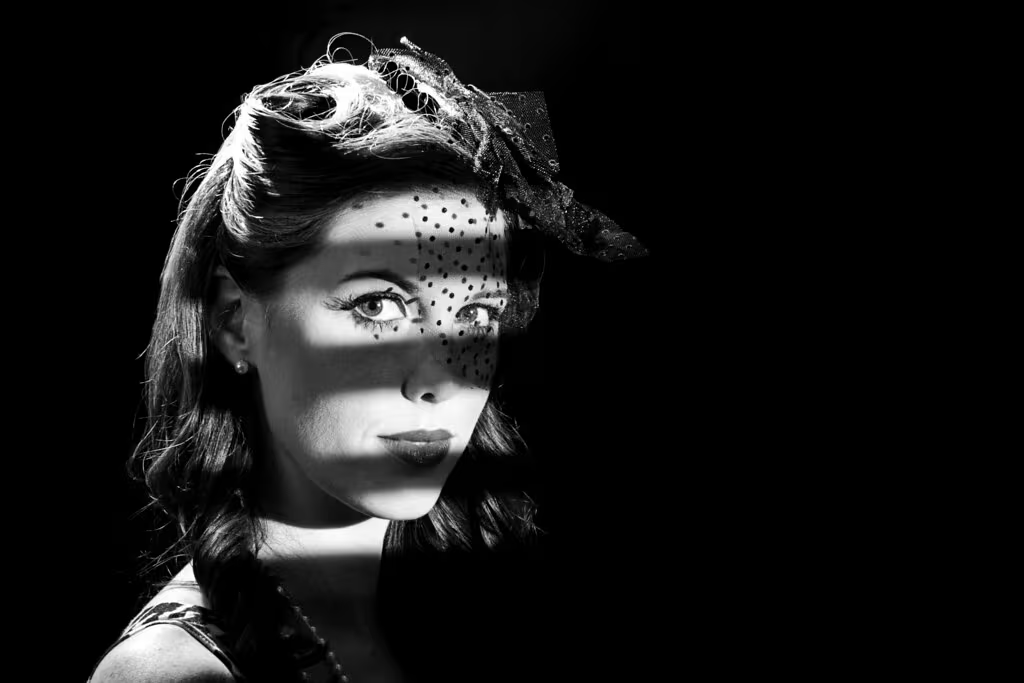
- Low, shadowy lighting → Mystery, tension, fear
- High contrast lighting → Drama, conflict
- Natural lighting → Realism and authenticity
👉 Light becomes a visual language of emotion.
High-Key vs Low-Key Lighting
gh-key lighting is bright and evenly lit with very few shadows. It is commonly used in comedies and romantic films because it creates a positive, cheerful, and lighthearted mood.
Low-key lighting uses strong contrast with deep shadows and focuses on limited or selective lighting. It is often used in thrillers, horror, and drama to create a moody, tense, and emotionally intense atmosphere.