

The Role of Color Grading in Creating Cinematic Identity
In modern filmmaking, visuals are just as powerful as storytelling—and color grading sits at the heart of that visual language. It is the process of enhancing and altering the color of footage to achieve a specific mood, tone, and style. More than a technical step, color grading plays a vital role in shaping a film’s identity, helping it stand out and connect emotionally with audiences.
What is Color Grading?
Color grading is the post-production process where filmmakers adjust colors, contrast, brightness, and saturation to create a consistent and stylized look. It goes beyond basic color correction by giving a film its unique visual personality.
While color correction ensures that footage looks natural and balanced, color grading transforms it into something cinematic and expressive.
Establishing Mood and Emotion
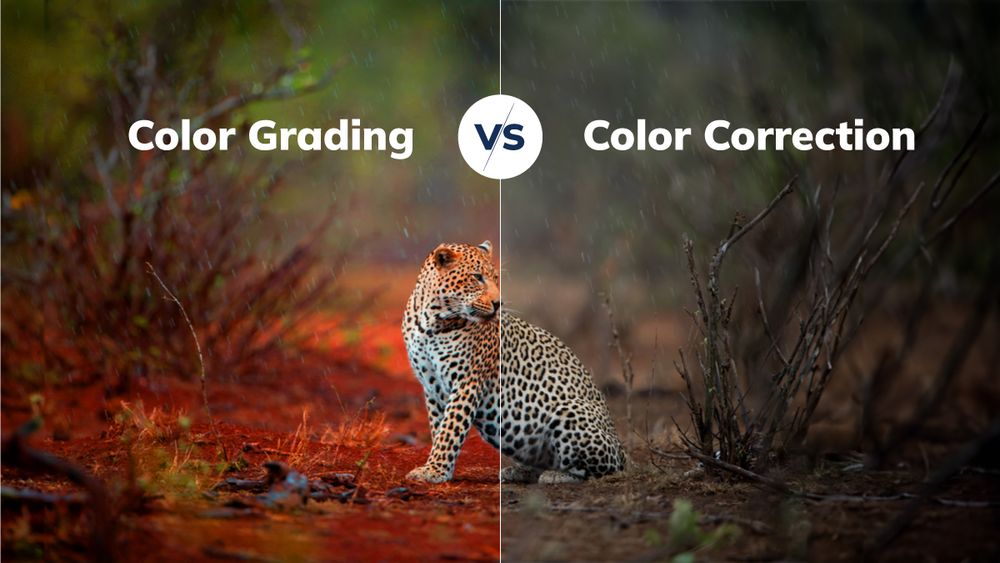
Colors have a psychological impact on viewers, making them an essential storytelling tool. Filmmakers use different tones to evoke specific emotions:
- Warm tones like red, orange, and yellow often convey happiness, energy, or intimacy.
- Cool tones such as blue and green can create feelings of sadness, tension, or isolation.
- Dark, desaturated colors may suggest seriousness, mystery, or realism.
Through color grading, filmmakers guide the audience’s emotional response without saying a word.